Garage Door Automatic Opener Installation in 2026: A Buyer's Practical Guide
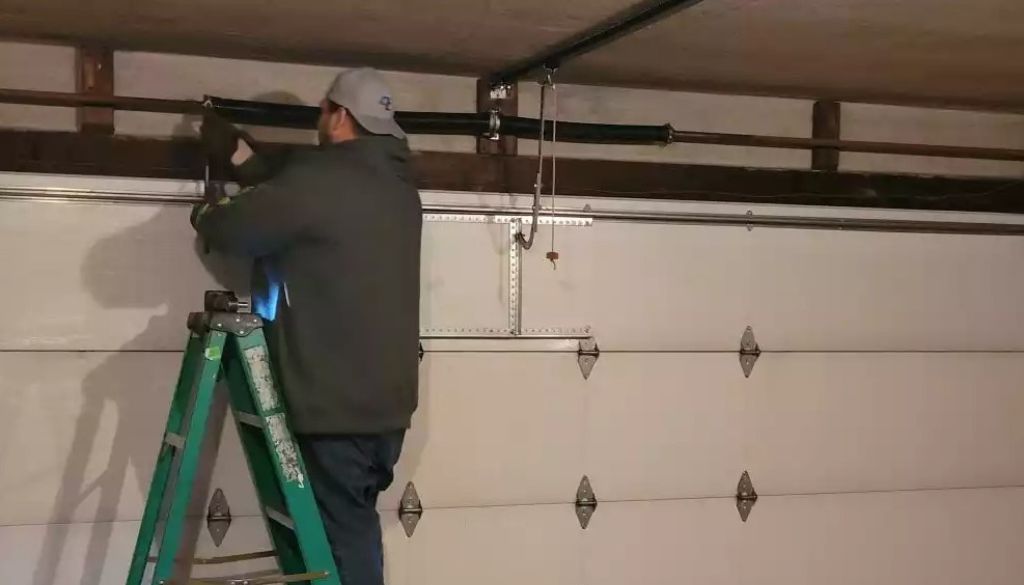
Convenience, security, and home value all improve when you install an automatic garage door opener — sometimes substantially. Whether you're a DIY enthusiast planning to handle the project yourself, or a homeowner researching the process before bringing in a professional installer, this guide walks through what matters about garage door automatic opener installation. Essential components, safety considerations, common troubleshooting scenarios, and the smart upgrade options worth knowing about — every critical aspect gets covered so the install gets done right.
Garage Door Automatic Opener Installation: The Basics
Installing an automatic garage door opener means installing an electric motorized system to replace manual lifting — the door now opens via remote control or wall-mounted controls. Beyond the obvious convenience benefit, the electric motor garage door opener delivers measurably better security through coded access, enhanced safety features through sensor systems, and improved home insulation and noise reduction compared with traditional manual doors. The full garage door automatic opener installation earns its place as one of the higher-value home upgrades a homeowner can make.
Multiple components work together during installation — motor unit, control systems, sensors, and remote transmitters all need to integrate correctly. Knowing how the installation process actually proceeds gives homeowners the information they need to confidently choose between professional installation and a DIY approach.
The Parts You'll Find in a Garage Door Opener
Identification and understanding of the main components in a garage door automatic opener system should happen before installation begins.
- Motor Unit: The heart of the opener, houses the electric motor and control board.
- Drive Mechanism: Three options here — drive chain, belt drive, or screw drive — each moving the door along the rail system in slightly different ways.
- Control Board and Opener Gears: Govern door movement and the limit switch configuration.
- Remote Control, Wireless Receiver, and Transmitter: Enable wireless operation across the door opener system.
- Wall Button and Keypad Entry: Provide manual activation from inside the garage and code-based entry from outside.
- Safety Beam and Infrared Sensors: Critical for preventing accidents by detecting obstructions during door operation.
- Battery Backup and Power Supply: Ensure operation during power outages for uninterrupted access.
- LED Light: Illuminates the garage area when the door operates, improving visibility and security.
Pre-Installation Setup and Checks
Preparation done well makes the difference between a smooth garage door automatic opener installation and one that hits problems mid-job. Begin with inspection southport QLD garage door repairs gold coast — the garage door panel, frame, and threshold all need checking for damage or misalignment that could affect performance. Door balance needs verification, and the torsion or extension springs need to be confirmed as functioning safely before any opener work begins.
Mounting hardware preparation comes next — brackets, rails, door arms, copyright pins, and track rollers all need to be on hand for secure attachment of the operator head and rail system. While the door is being inspected, consider adding weather seals and insulation as well, since these improve energy efficiency and reduce noise once the installation finishes.
Equipment List for Garage Door Opener Installation
- The opener's included installation kit, with mounting hardware and manual release tools.
- Standard tools: cordless drill, socket wrench set, screwdriver, pliers, tape measure, level.
- Additional safety equipment: ladder, protective eyewear, gloves.
- Recognize that professional installers sometimes use specialized equipment that DIY toolkits won't include — some heavy-duty installations genuinely need it.
How to Work Through Garage Door Opener Installation
Follow these steps carefully to install your garage door automatic opener correctly:
- Position the Motor Unit and Rail System: Connect the rail to the motor unit, then extend it toward the door while aligning to the door's centre.
- Attach Mounting Bracket and Operator Head: Secure the bracket to the garage ceiling and connect the operator head to the door arm.
- Connect Drive Chain, Belt, or Screw Drive: Pick the drive type that suits your install, follow manufacturer instructions to install it, and set tension properly.
- Wire Wall Button and Keypad Entry: Run wiring from the motor unit to the wall-mounted controls; ensure secure connections and proper placement.
- Set Limit Switch and Adjust Opener Gears: Adjust the open and close limits so the motor stops the door at the right positions every time.
- Install Sensors and Safety Beam: Mount the infrared sensor beams on either side of the doorframe to prevent closing on obstacles.
- Connect Battery Backup and Power Supply: Plug in the power supply and add the battery backup unit to keep the opener running during power outages.
- Program Remote Control and Wireless Keypad: Sync the remote transmitters and keypad codes to the motor unit using the opener's programming procedure.
Safety Tips Every Installer Should Know
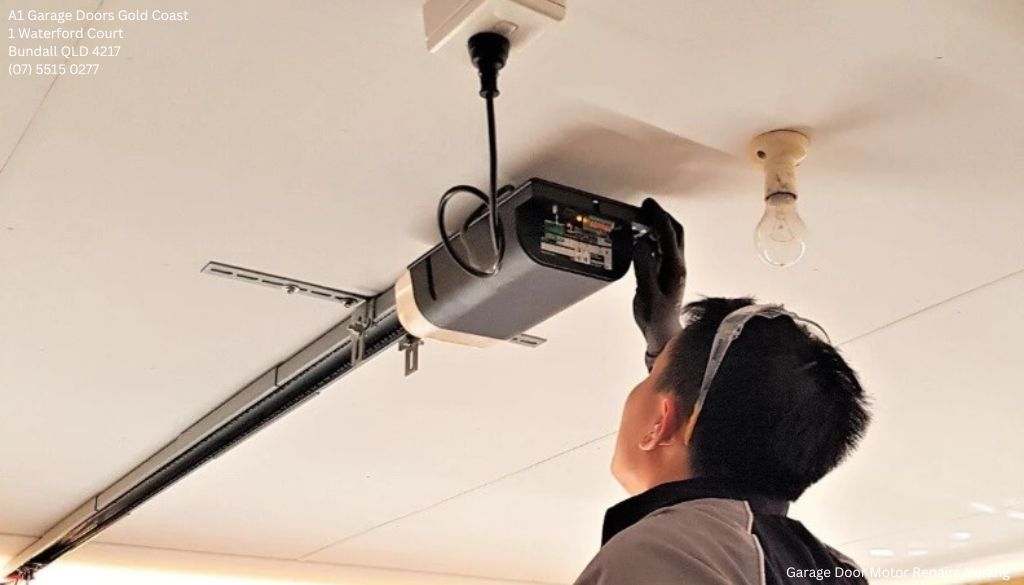
Garage door automatic opener installation requires particular attention to safety protocols:
- Always verify sensor safety by testing the infrared beams to stop door closure when obstructed.
- Door balance and spring tension both need correct adjustment before installation — unexpected door drops are a serious risk otherwise.
- Learn how the manual release mechanism works so you can disengage the opener in an emergency.
- Alarm system integration and security locks add real protection against unauthorized access — both worth considering.
- Wear personal protective equipment and stay out from under any partially installed door.
Troubleshooting Garage Door Opener Installation Problems
Even careful installations can encounter issues. Here happen to be common problems and their solutions:
- Remote Battery Problems: When remotes don't activate the opener, replace the batteries.
- Transmitter or Wireless Receiver Malfunctions: Reprogram devices or check wiring if signals don't reach the motor unit.
- Misaligned Sensors: Adjust the safety beam sensors to face each other directly without obstruction.
- Noisy Operation: Apply lubricant to moving parts and inspect mounting hardware for looseness that could cause vibration.
- Door Not Closing Properly: Limit switch reset combined with verification of door balance and spring tension solves most closing problems.
- Drive Chain Slipping or Belt Noise: Adjust chain tension or replace worn belts to reduce noise and improve function.
- Control Board Malfunctions: Inspect for moisture, corrosion, or damaged wiring; consult the manufacturer's manual for resets.
Why Hire a Professional Installer
Professional installation isn't always necessary, but the advantages it brings genuinely matter for many homeowners.
- Correct Installation: Mounting security and wiring to safety standards both improve when a professional handles the install.
- Safety Compliance: Trained experts know how to handle springs, cables, and electrical components without injury risk.
- Warranty Protection: Many manufacturer warranties stay valid only when a professional handles the install.
- Expert Troubleshooting: Complex issues get resolved quickly — saving time and preventing damage that would otherwise compound.
- Peace of Mind: Doing the job correctly the first time delivers peace of mind that DIY rarely matches.
Garage Door Opener Long-Term Maintenance
Proper maintenance extends the lifespan of your opener and maintains safety:
- Schedule regular inspections of springs, cables, and rollers so wear gets caught before it becomes a problem.
- Replace remote battery regularly and keep keypad covers clean to protect electronics.
- Lubricate moving parts like copyrights, tracks, and drive mechanisms to reduce friction and noise.
- Weather seals and door insulation both need cleaning and inspection to keep the door's energy efficiency intact.
What a Smart Garage Door Opener Upgrade Delivers
Modern smart garage door openers offer enhanced functionality beyond standard models:
- Smart Garage Integration: Link the opener to home automation systems so smartphone apps can control it remotely.
- App Control and Notifications: Door open/close alerts arrive in real-time, and secure remote control works from any location.
- Advanced Motion Detectors and Sensors: Security improves through real-time monitoring paired with automatic lighting activation.
- Wireless Connectivity: Wi-Fi or Bluetooth compatibility means updates and feature additions install easily over time.
- Added Security Features: Smart openers add two-factor authentication, encrypted communication, and temporary access codes for stronger protection.
Common Questions Homeowners Ask About Installation
- How much time does garage door automatic opener installation take?
Installation typically ranges from 2 to 4 hours depending on door type, opener model, and installer experience. - Can a homeowner safely install an automatic garage door opener?
Safe DIY installation works when proper tools, knowledge, and safety guidelines come together, but spring adjustments and challenging setups still call for professional handling. - What tend to be the most common problems after installation?
Misaligned sensors, remote control malfunctions, noisy operation, and incorrect door limits show up most often. - What determines whether my garage door fits an automatic opener?
Compatibility runs high for sectional and tilt-up doors — though weight, size, and spring type all need verification before opener selection. - What safety features should I check post-installation?
Verify infrared safety beams, manual release function, secure mounting, and adequate door balance. - Is a battery backup necessary for automatic garage door openers?
Strongly recommended, since battery backup keeps the opener working when grid power fails and provides peace of mind. - What's the recommended service interval for a garage door opener?
It's advisable to perform maintenance checks at least twice a year and lubricate moving parts annually.
In conclusion, garage door automatic opener installation tends to be a valuable upgrade for any homeowner seeking convenience, safety, and modern features. By understanding essential components, preparing thoroughly, following detailed installation steps, and adhering to safety tips, you can achieve a successful setup—whether you choose the DIY route or professional assistance. Regular maintenance and potential smart upgrades will keep your system running smoothly for years to come. Ready to enhance your garage access? Start planning your installation today or consult a professional to get started!